Sustainable Solutions: How E-Waste Recycling Services Are Saving Our Planet
E-waste represents a considerable hazard to the environment, as abandoned electronic devices commonly carry harmful materials. Such dangerous compounds can pollute soil and water supplies, causing extensive damage to surrounding ecosystems. Electronic waste recycling programs offer an effective remedy. They not only recover valuable resources but also mitigate pollution. Comprehending the operation of these services and their influence on communities is of great importance. Pursuing efficient e-waste management brings forth pressing questions regarding individual duties and shared responsibility. What steps can be taken next?
Why E-Waste Is Bad for the Planet
Although technology enriches our daily lives, electronic waste presents serious threats to the environment. Abandoned electronic gadgets, commonly laden with dangerous compounds like lead, mercury, and cadmium, may release harmful substances into soil and groundwater, presenting dangers to human health and ecosystems. The rapid pace of technological advancement leads to higher rates of electronics disposal among consumers, intensifying the growing problem of e-waste.
Landfills, already burdened with waste, struggle to accommodate the growing volumes of discarded gadgets. Incineration, a common waste management technique, emits dangerous pollutants into the environment, degrading atmospheric conditions. Moreover, poor recycling procedures can cause e-waste to be sent to developing regions, where employees may disassemble electronics without sufficient safety precautions, leaving them vulnerable to harmful substances. This ongoing cycle of carelessness and inadequate management emphasizes the pressing necessity for responsible recycling initiatives that can lessen the harmful consequences of e-waste on our world.
What Is E-Waste and Its Importance?
E-waste, or electronic waste, includes discarded electronic devices like smartphones, computers, and televisions that have reached the end of their useful life. This growing category of waste is significant because of its swift buildup, fueled by innovation in technology and shifting consumer habits. With an increasing number of devices reaching obsolescence, the toll on the environment grows more severe, with dangerous elements including lead, mercury, and cadmium posing risks to ecosystems and human health.
The importance of addressing e-waste lies not only in mitigating these hazards but also in recognizing the valuable materials it contains. Critical metals and rare earth components can be reclaimed and recycled, decreasing the reliance on mining and protecting natural resources. By understanding e-waste and its implications, individuals and organizations can make informed decisions about disposal and recycling, ultimately contributing to a more sustainable future. Proper management of e-waste is essential for fostering a circular economy and promoting environmental stewardship.
How the E-Waste Recycling Process Works
The recycling of e-waste encompasses a systematic process designed to recover valuable materials while reducing harm to the environment. Initially, electronic waste is gathered and delivered to dedicated processing centers. After reaching the facility, the electronics are carefully categorized to separate hazardous components from recyclable materials.
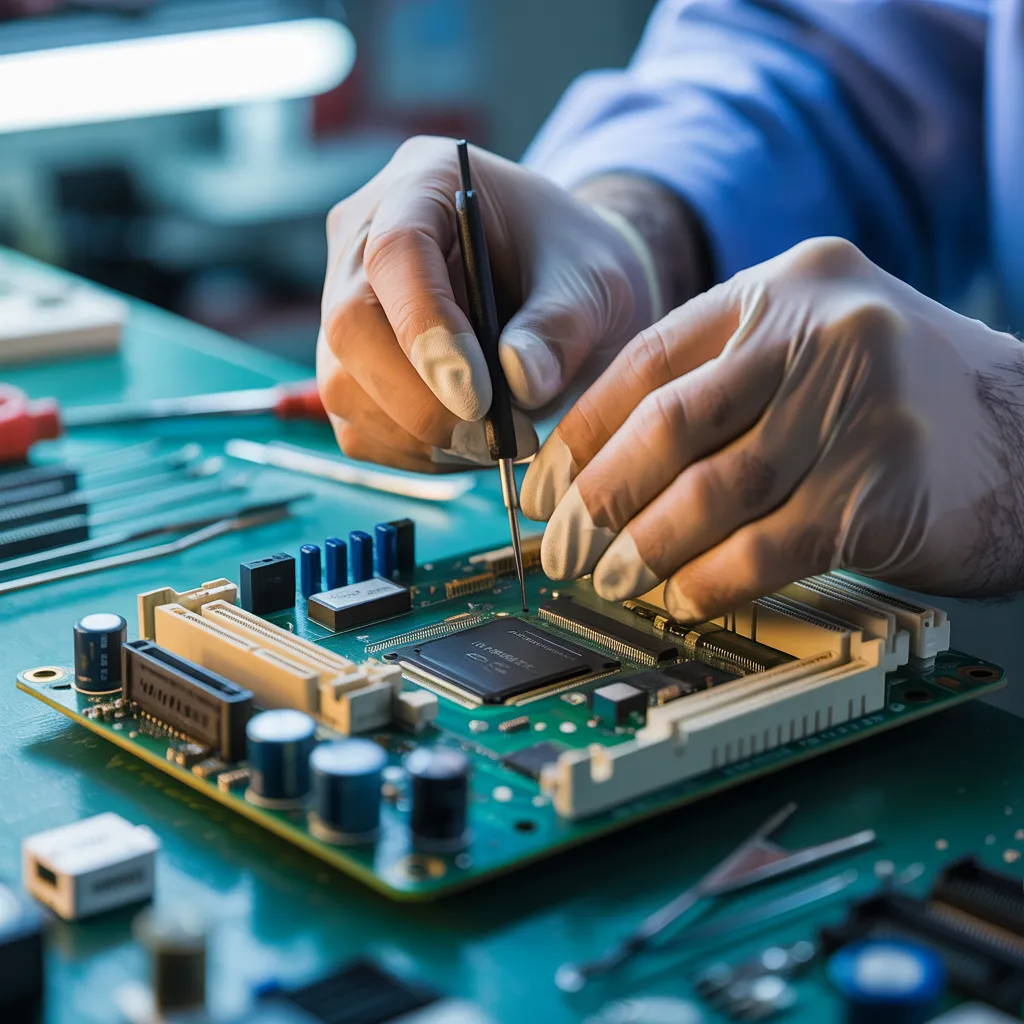
Next, workers take apart the electronics, separating metals, plastics, and glass. This step is critical, as it enables the extraction of high-value metals like silver, gold, and copper, which can be recycled in new electronic devices.
Afterward, the sorted materials are processed using state-of-the-art techniques, such as mechanical shredding and chemical processing, to prepare them for reuse.
In the final step, the remaining hazardous waste is handled with responsibility, adhering to environmental guidelines. This multi-step approach not only saves important resources but also reduces the dangers associated with irresponsible electronic waste disposal, ensuring a more sustainable future for electronic device usage.
Benefits of E-Waste Recycling for You and Your Community
Though many people are unaware, the advantages of e-waste recycling extend beyond personal convenience to positively impact entire communities. By carefully processing electronic waste, individuals contribute to a healthier environment, reducing hazardous materials that can leach into soil and water. This forward-thinking practice helps preserve local ecosystems and advances public health.
In addition, e-waste recycling fosters job creation within communities. Community recycling operations commonly require workers Continue reading for diverse activities, covering everything from collection to processing, thereby providing employment opportunities within the community. This not only strengthens the regional economy but also promotes community participation in sustainable initiatives.
Furthermore, familiarity with e-waste recycling is capable of inspiring educational initiatives, equipping residents to make environmentally conscious decisions. By engaging with e-waste recycling programs, individuals cultivate a culture of sustainability, motivating others to embrace similar practices. Ultimately, the collective impact of these actions can lead to a more sustainable and conscientious community.
Tips for Choosing an E-Waste Recycling Service
Picking the most suitable e-waste recycling service is essential for guaranteeing that electronic refuse is handled in a responsible and sustainable manner. To begin, individuals should confirm the provider's certifications, such as e-Stewards or R2, which indicate compliance with established benchmarks for secure waste disposal procedures. Additionally, it is advisable to evaluate the organization's reputation by checking reviews and obtaining recommendations from trusted sources.
Furthermore, transparency in the recycling process is vital. A reliable provider should provide clear information about the manner in which e-waste is managed and how the materials are utilized. Additionally, assessing the variety of services available can be advantageous; some companies may provide pickup services or offer incentives for recycling.
Furthermore, being aware of local regulations regarding e-waste disposal may further shape the evaluation process. By prioritizing these factors, people are able to support efficient electronic waste handling as well as promoting green and responsible behaviors.
Ways You Can Participate in E-Waste Recycling?
Participating in e-waste recycling may begin at the local level, where community recycling hubs regularly supply essential services for responsible disposal. Moreover, taking part in community awareness campaigns can strengthen efforts to educate others about the importance of responsible e-waste management. Such efforts not only advance environmental sustainability but also cultivate a collective sense of responsibility toward the environment.
Community Recycling Locations
Several local recycling centers play an essential role in the recycling of e-waste, giving communities practical solutions to handle electronic waste in a responsible manner. These centers accept a variety of electronic devices, including aging computers, cell phones, and television sets, making certain that hazardous materials are managed safely. The majority of facilities employ qualified professionals who can guide individuals on proper disposal methods, emphasizing the importance of recycling over landfilling. Furthermore, numerous facilities provide organized drop-off opportunities or appointed collection periods, allowing residents to take part with ease. Through the use of these community services, residents support a circular economy, reducing environmental impact and promoting sustainable practices. Engaging with these centers empowers communities to take action against e-waste pollution effectively.
Community Outreach Campaigns
Community groups, educational institutions, and companies can partner to arrange initiatives that encourage e-waste collection drives. Volunteers can play a pivotal role in spreading awareness, distributing educational materials, and engaging with the community. By means of these joint initiatives, residents become more informed and motivated to recycle their electronic waste, ultimately contributing to a more sustainable future.
Questions We Often Receive
Which Types of Electronics Are Recyclable?
A wide range of electronics are able to be recycled, including laptops, televisions, smartphones, printers, computers, and gaming consoles. In addition, accessories such as mice, keyboards, and batteries are well-suited for recycling, contributing to sustainable environmental practices.
Are There Fees Involved With E-Waste Recycling?
Yes, electronic waste recycling may involve charges, depending on the service provider. Some service centers impose charges for collection or processing, while others make services available at no charge, typically funded by the sale of reclaimed components.
How Can Businesses Benefit From E-Waste Recycling?
Organizations can gain from e-waste recycling by minimizing disposal costs, improving their green reputation, meeting compliance standards, extracting valuable resources, and potentially generating revenue through resale, thus supporting a greener and more sustainable operational framework.
What Happens to Data on Recycled Devices?
Data on recycled electronics is frequently completely removed or destroyed during the refurbishment process. This guarantees sensitive information stays protected, stopping improper access while permitting resources to be repurposed safely and responsibly across new manufacturing processes.
Are Broken Electronics Eligible for Recycling?
Yes, damaged electronics may be recycled. Many centers accept damaged devices, ensuring proper disposal and retrieval of useful materials. Doing so helps lower harm to the environment while fostering eco-friendly recycling methods to control electronic waste efficiently.